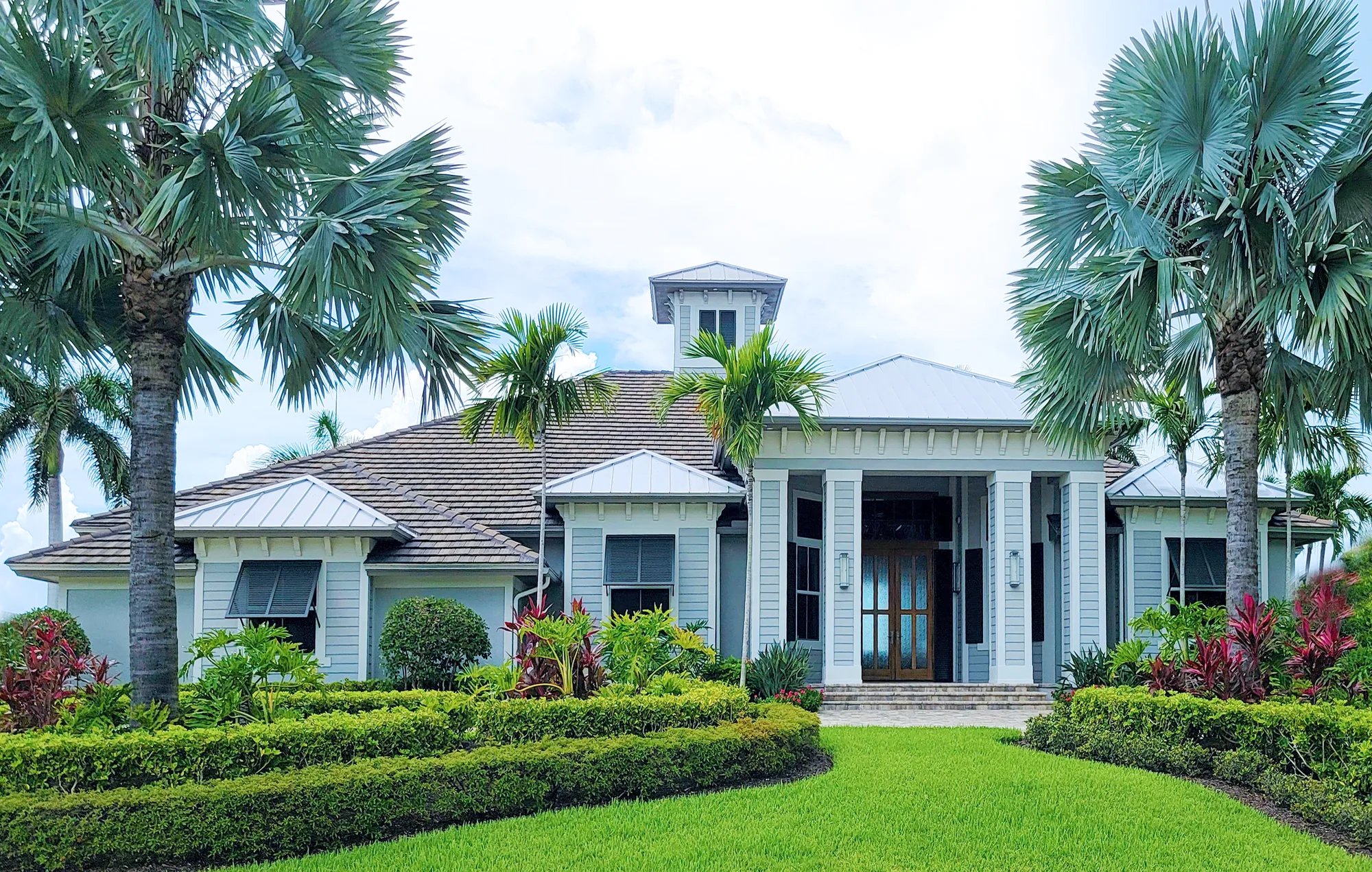
Cape Coral is built on one of the largest canal systems on earth — but two homes on two canals can be completely different deals. What separates them is gulf access, the flood zone, and the insurance math. Here's how to read all three before you make an offer.
The view sells the house — and hides the carrying cost. On a canal-front home the mortgage is only part of the monthly number; the water brings its own line items. Here's the full stack, so the payment doesn't surprise you after closing.
The view is the trap. It's easy to underwrite a canal-front home on the mortgage payment alone and forget that flood, wind, and seawall upkeep ride along every month. Count them from the first showing, not after you're attached to the place.
Insurance is the swing line. In Cape Coral, flood and windstorm are the SWFL-specific costs that move the most — and after Ian, they moved a lot. Get real quotes in writing on the exact address before you're emotionally committed; two similar homes can carry very differently.
Gulf access changes the exit, too. Waterfront has historically drawn strong long-term and (where permitted) short-term rental demand — though submarkets vary and can soften — and a DSCR loan can qualify on that rent instead of your tax returns. Estimate where a deal lands before you offer.
The stack above is an illustration of which costs to count, not a quote or a projection. Every address is its own number.
On the water, your flood zone and the home's elevation don't just affect insurance — on most mortgages they can require it, and strongly affect the price. It's the detail that quietly makes or breaks a canal-front deal, so check it before you offer, not after.
Most canal-front homes sit in a Special Flood Hazard Area (an "A", "AE", or "VE" zone on the FEMA map). For a mortgage on a home in one of those zones, flood insurance is generally required. Under FEMA's Risk Rating 2.0, NFIP premiums reflect a broader set of factors — not the older elevation-versus-base-flood-elevation formula alone — but elevation still drives your real flood risk and private-flood pricing, so an elevation certificate is still worth having. A newer, higher home can still carry very differently from an older, lower one on the same canal.
And if you plan to renovate, the same flood rules bring the FEMA 50% "substantial improvement" rule into play — the one covered in the Fix & Flip playbook. Worth understanding before you buy a fixer on the water.
How to check before you make an offer:
This is general educational information about flood zones and insurance — not legal, insurance, or floodplain-compliance advice. Flood maps, zone designations, and requirements change; confirm the current details for your specific parcel with the local floodplain administrator and a licensed insurance agent before acting.
Send me the address and I'll help you read the water, the flood zone, and the real monthly cost before you write the offer.
A gulf-access canal connects — directly or through a river and locks — to open water, so you can keep a boat and reach the Gulf. A freshwater canal is scenic but landlocked. Gulf access (especially with no fixed bridges in the way) commands the biggest premium and the strongest rental and resale demand, which also shapes how the deal is financed and how it appraises.
If the home is in a Special Flood Hazard Area and you're financing it with a typical mortgage, flood insurance is generally required. Under FEMA's Risk Rating 2.0 its price reflects a broader set of factors rather than the older elevation-versus-base-flood-elevation formula alone — though elevation still drives your real flood risk and private-flood pricing, so an elevation certificate is still worth having. Zones and rules change, so confirm the specifics for your exact parcel with a licensed insurance agent before you commit.
Short-term-rental rules are set locally and can change, so check the current City of Cape Coral rules for the specific property. Where STR income is allowed and can be documented, a DSCR loan may be able to qualify the property on that rent — worth a conversation about how you plan to use it.
Yes — foreign-national financing exists and is common on the water in Cape Coral. It has its own documentation and terms, so it's worth mapping out early. That's exactly the kind of "doesn't fit the standard box" file I work with.
Tell me a little about the canal-front home you're eyeing and I'll help you read the water, the flood zone, and the real monthly cost — and line up the financing that fits. No full application yet, no hard credit pull, no obligation.
Ready to dive in? Start your full application →
Free guides
26 Southwest Florida financing guides — the worked numbers, the local gotchas and the checklists. Free, no application, yours to download.
Browse the Vault →